01
The Wheel
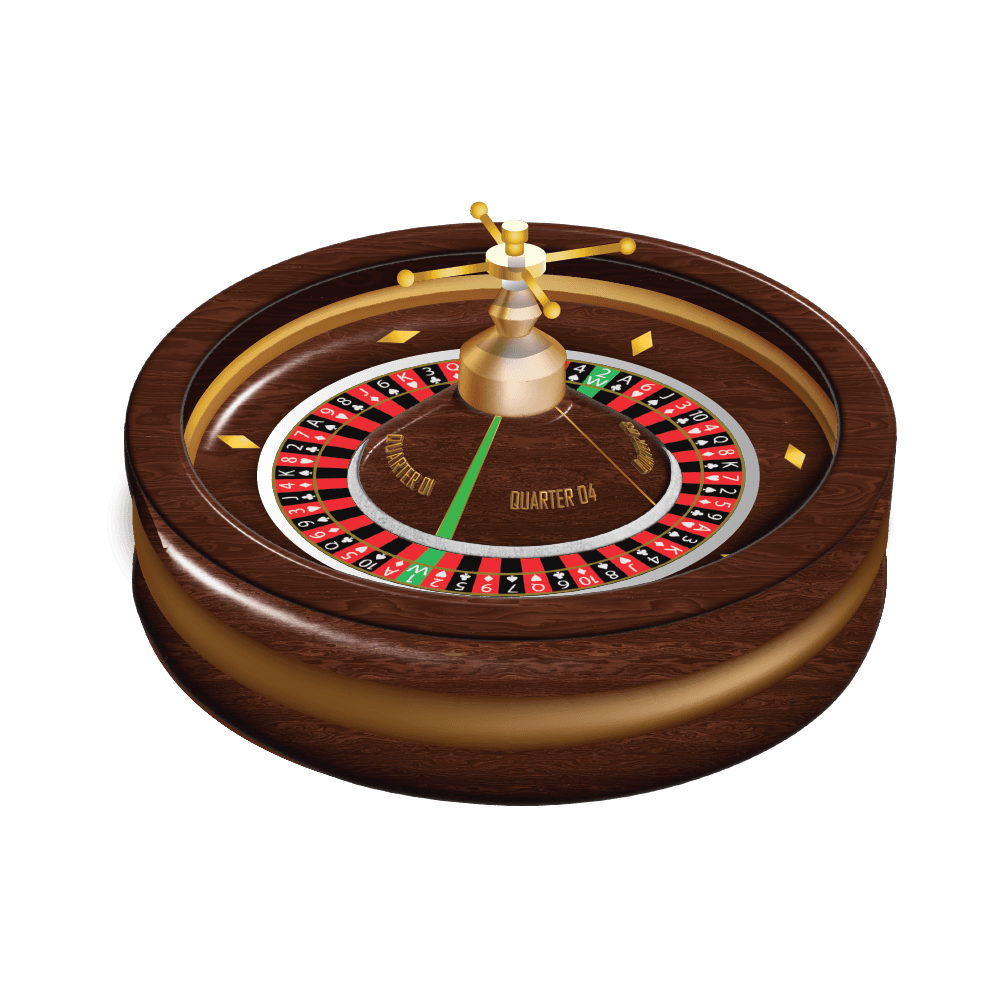
At the center of Cards Wheel is a purpose-designed wheel using card ranks, suits, colors, quarter groupings, and designated wild positions as part of its visual structure.
Concept visualization
The design system
A proprietary casino-game concept combining a card-based wheel, roulette-style wagering, and a five-spin poker-hand mechanism. Explore the gameplay first, then the physical elements designed to support it.
See How Cards Wheel Works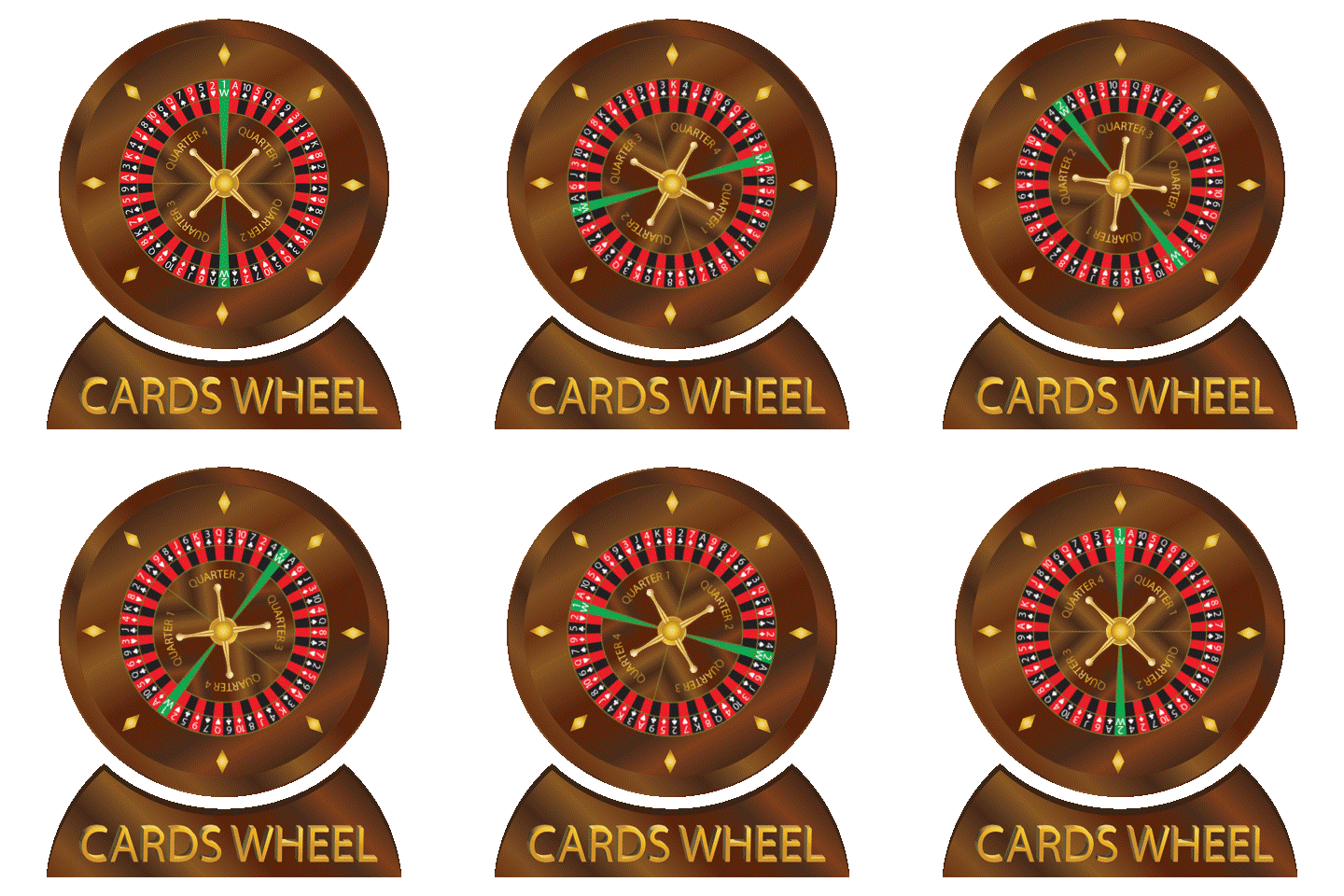
How Cards Wheel works
Cards Wheel combines a card-based wheel with roulette-style wagering and a five-spin poker-hand mechanism. Players can wager on individual card positions or broader categories, while a sequence of five wheel results can form a poker combination evaluated using familiar poker-hand rankings.
Step 1 of 5
The dedicated Cards Wheel betting layout supports several wager types, from one exact outcome to broader groups. These selected public examples show how coverage and payout differ.
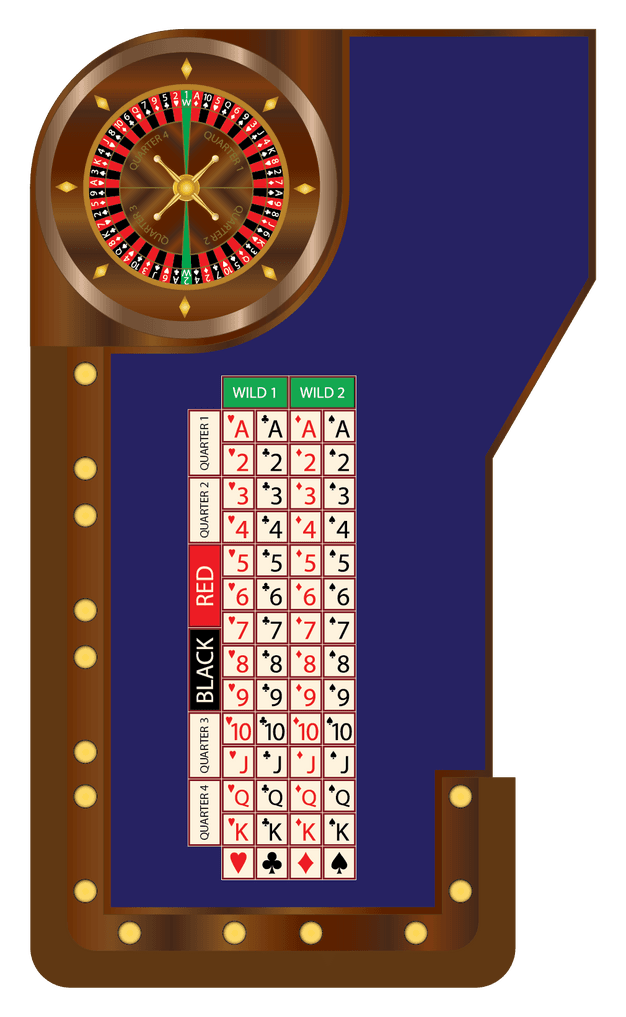
Additional grouped wager structures form part of the wider Cards Wheel game design and are reserved for qualified discussions.
Step 2 of 5
The Cards Wheel is built around 54 positions: the familiar 52-card playing-card structure together with two designated Wild positions.
52 standard card positions 2 Wild positions 54 outcomes
Step 3 of 5
After the wheel selects a position, applicable wagers are resolved according to the corresponding Cards Wheel bet category and payout structure. Wager types differ in coverage and payout.
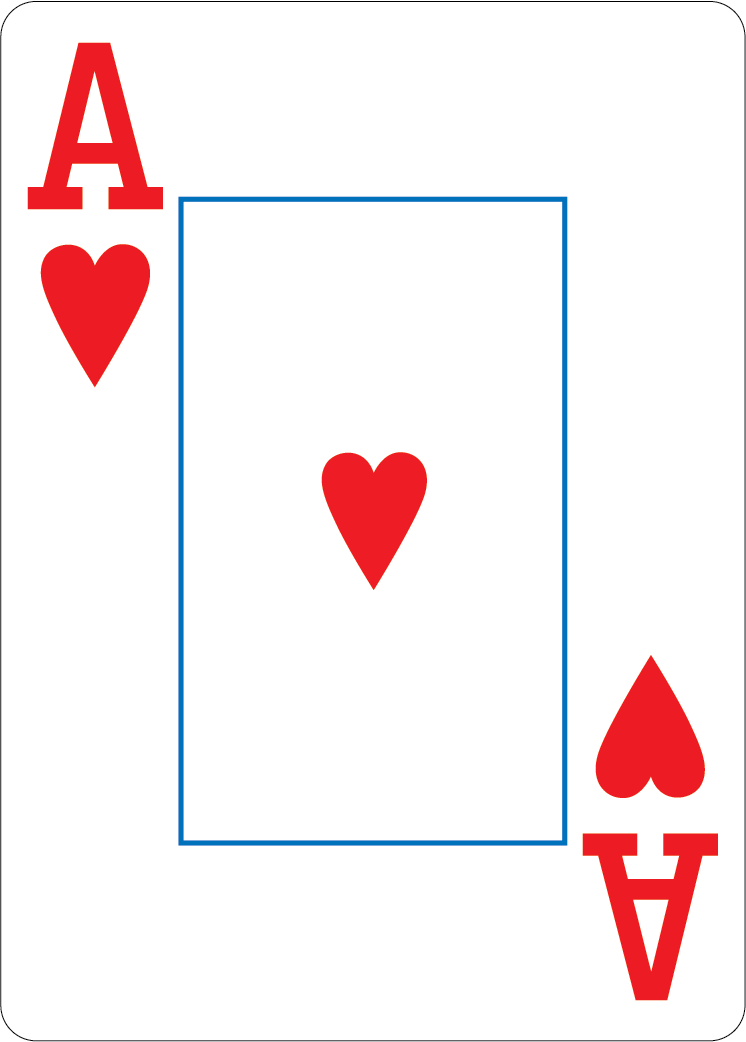
Wheel result: Ace of Hearts
Corresponding position on the betting layout
Illustrative example: an Ace of Hearts result matches a Straight Up wager on that exact card. Other applicable categories are resolved using their own coverage and payout.
Step 4 of 5
Across a five-spin sequence, the selected card outcomes can form a five-card poker combination. This creates a second layer of game experience beyond the result of an individual spin.
Illustrative concept demonstration
Spin 1
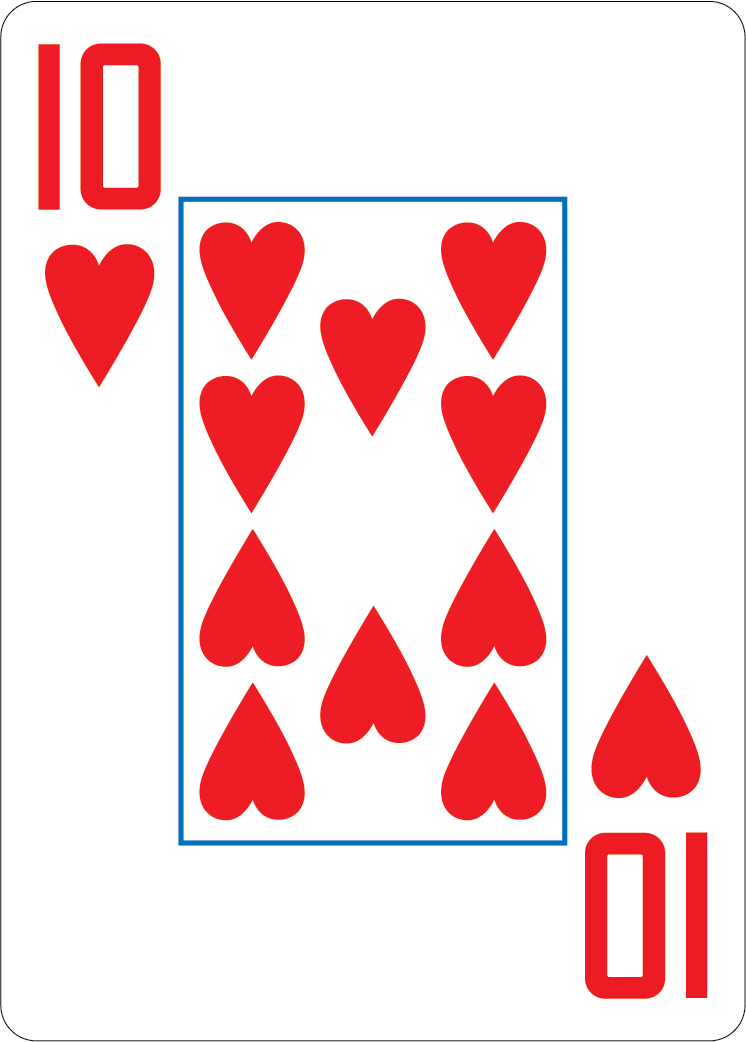
10♥Spin 2
—Spin 3
—Spin 4
—Spin 5
—1 of 5 example results shown.
A fixed example to explain the sequence. No wagers are accepted and no game outcomes are generated here.
Step 5 of 5
Five-spin combinations can be evaluated using standard poker-hand rankings. Explore representative combinations below.
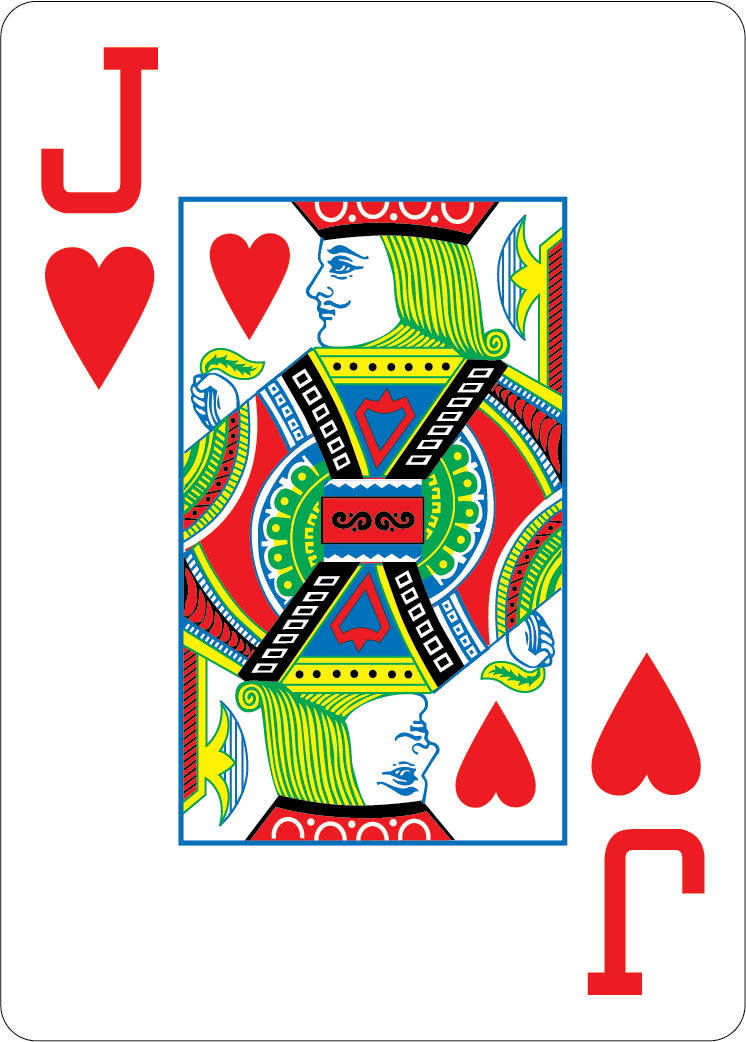
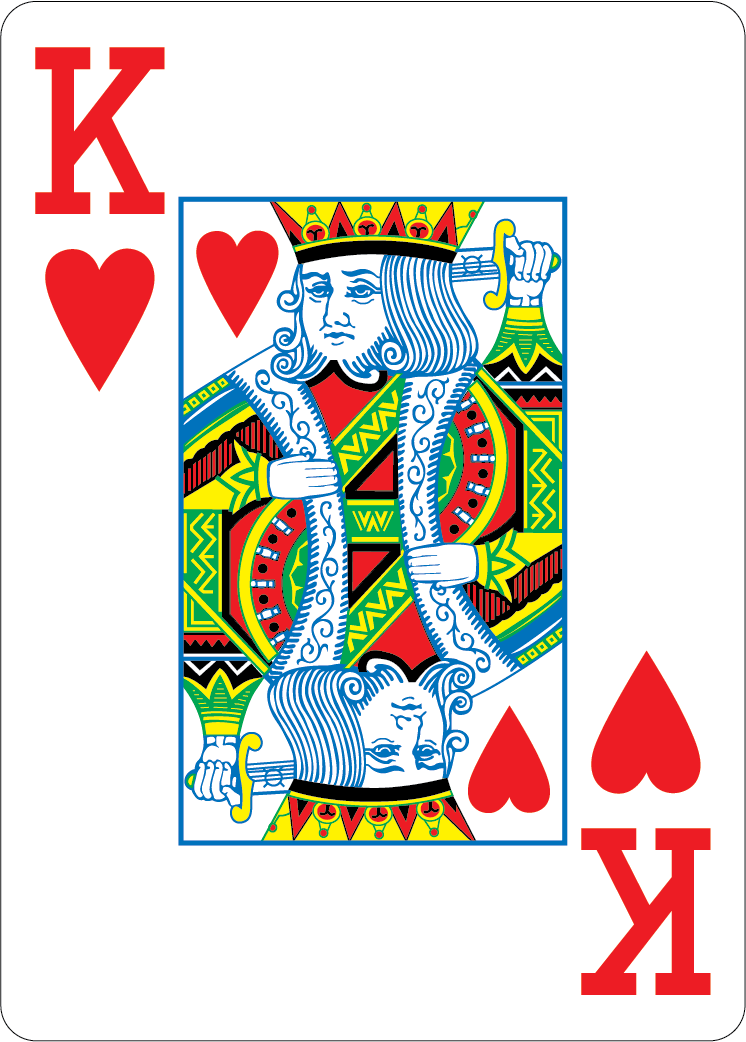
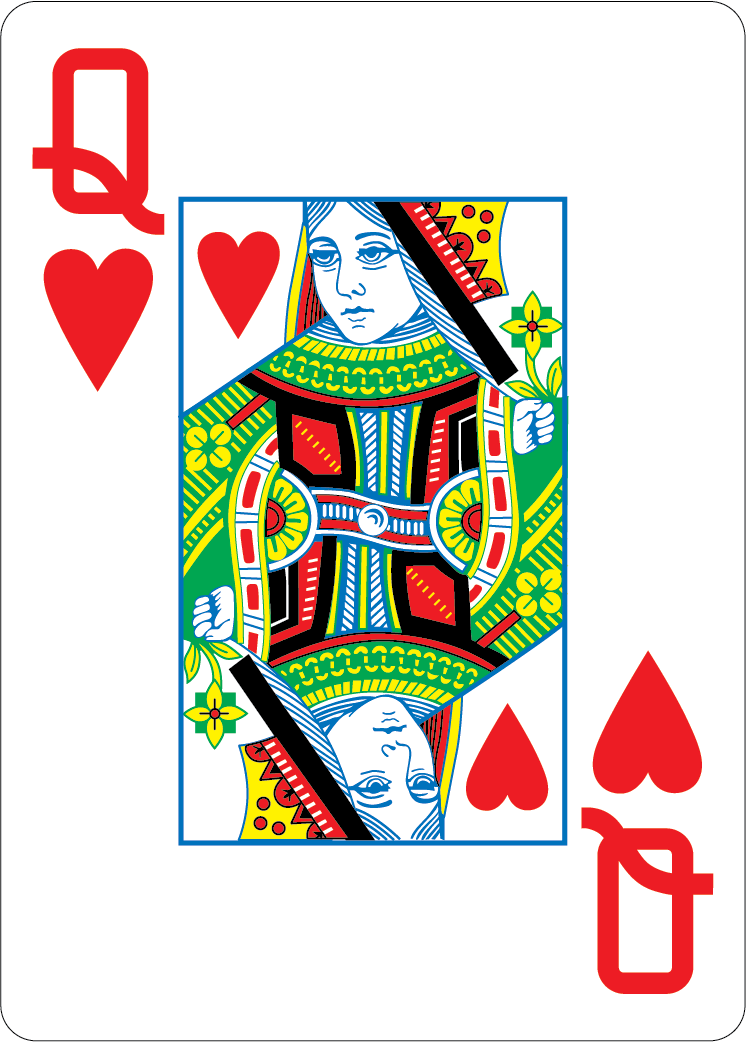
Ten, Jack, Queen, King and Ace, all of the same suit.
Wild positions can substitute within poker combinations, expanding the range of possible five-spin hands. This example shows one Wild substitution (W1). Additional Wild substitutions are also possible in gameplay.
Illustrative substitution: W1 substitutes for A♥ in this Royal Flush example.
Detailed combination probabilities and proprietary game mathematics remain confidential and are available only in appropriate qualified discussions.
The product system
At the center of Cards Wheel is a purpose-designed wheel using card ranks, suits, colors, quarter groupings, and designated wild positions as part of its visual structure.
Concept visualization
The dedicated betting layout translates the card architecture into a player-facing surface designed specifically for Cards Wheel.
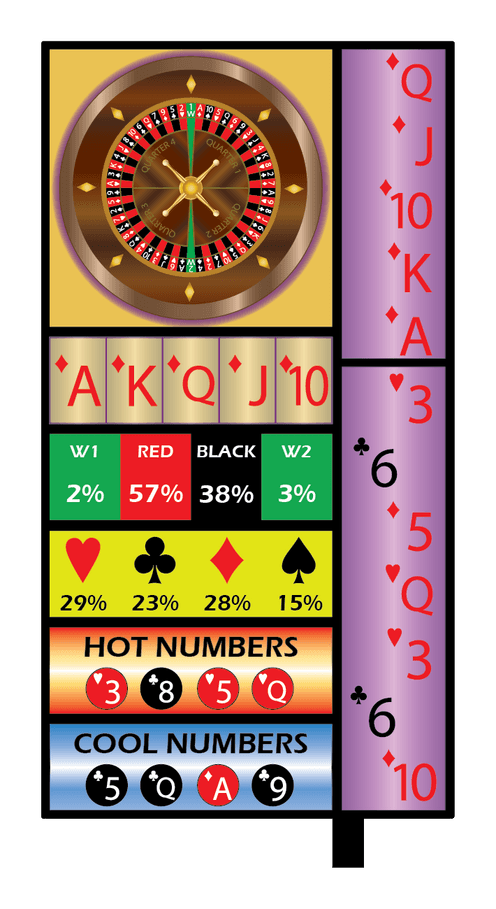
The information-display concept is designed to organize relevant game information and visual categories in a way that complements the physical wheel and betting surface.
Game mathematics
The current Cards Wheel Straight Up model is built around 54 equally likely outcomes and a 51-to-1 net winning payout. Based on this structure, the theoretical return to player is approximately 96.30%, corresponding to a theoretical house edge of approximately 3.70%.
These figures have been calculated internally by the owner as part of the current game model. Independent professional verification remains a future validation step.
Based on the current Straight Up payout structure. Internally calculated; independent verification pending.
A 51-to-1 payout means 51 units of net winnings plus the return of the original 1-unit stake: 52 units returned in total. A losing wager returns nothing, for a net loss of 1 unit. There is 1 winning outcome and 53 losing outcomes.
As a cross-check, placing 1 unit on each of the 54 outcomes means 54 units wagered and one winning wager returning 52 units gross. The difference is 2 units: 2 / 54 ≈ 3.70%.
Detailed game mathematics and additional wager structures remain confidential and are available only in appropriate qualified discussions.
Public overview
The public overview introduces the gameplay and approved mathematics. Complete rules, detailed probability models, proprietary payout structures, and engineering specifications remain confidential and are shared only in qualified discussions.
Discuss a PartnershipOfficial concept artwork
Explore the four original designs in their full proportions.